The decisive action of tourists and rescue teams prevented the incident from becoming a major tragedy.
Were there similar records in the last century?
The archive of La Capital in Mar del Plata mentions that prior to 1954, a similar event had already been recorded in 1945.
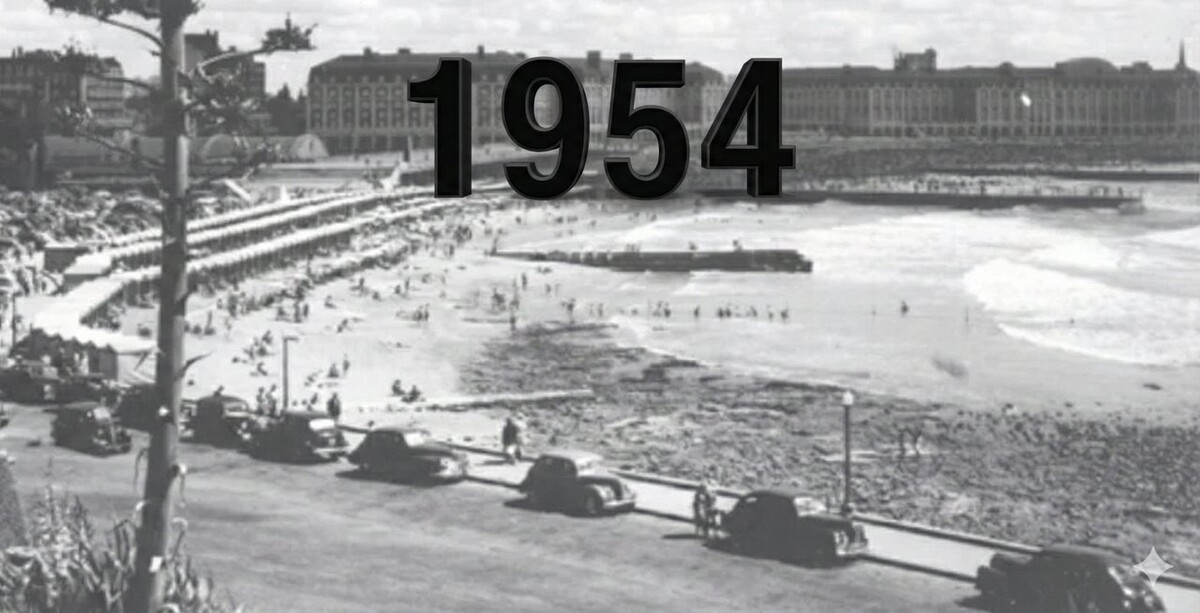
On January 21, 1954, a wave of "extraordinary height and violence" invaded the Mar del Plata beaches at noon, when nothing suggested the phenomenon.
According to Noticias Argentinas agency, through the historical archive of the La Capital newspaper in Mar del Plata, the mid-20th century event also occurred on a day of intense heat with a sea that, minutes before, presented "very typical of the season" harmony.
What were the "scenes of panic" recounted in 1954?
On that January 21, a giant wave followed by two others spread with the force of a flash flood over the sand, dragging everything in its path.
Mar del Plata, January 12, 2026 -- The giant wave that hit the Atlantic Coast this Monday has an almost identical precedent in the city's history. On that occasion, the scene was the North Breakwater, where four immense waves surprised vacationers, leaving numerous injured and scenes of widespread panic in the area.
These precedents reinforce the theory that the "meteorological tide" is a latent, though infrequent, risk in the geography of Mar del Plata.
Bathers in the water were "embraced" by the liquid masses, which forced a massive intervention by lifeguards and public assistance personnel.
Were there any fatal victims in that historical phenomenon?
Despite the magnitude of the disaster, the Maritime Subprefecture's communiqué at the time confirmed that there were no deaths.
The account of the era describes a dramatic picture at Bristol Beach, where thousands of people lost contact with their children in the midst of the turmoil.
However, eleven cases of people who had suffocated were recorded and managed to recover after being subjected to artificial respiration maneuvers on the same coast.